A high calcium result or raised parathyroid hormone does not automatically mean that an older adult needs an operation. You will be able to distinguish the main forms of hyperparathyroidism, understand when surgery is safer or more effective than observation or medication, and prepare specific questions for the surgical team.
Key takeaways
- Confirm high calcium and PTH on repeat testing before planning surgery.
- Correct vitamin D deficiency and review lithium before diagnosing primary disease.
- Use imaging to plan surgery, not to confirm hyperparathyroidism.
- Ask about discharge timing, medication changes and calcium follow-up.
How doctors confirm hyperparathyroidism before considering surgery
Primary hyperparathyroidism is confirmed by repeatedly high albumin-adjusted or ionized calcium together with an inappropriately high parathyroid hormone (PTH) level. A single raised PTH result is not enough: vitamin D deficiency, chronic kidney disease, low calcium intake and medicines such as lithium can raise PTH without primary disease.
Doctors usually repeat calcium and PTH, then check phosphate, creatinine or estimated kidney function, 25-hydroxy vitamin D and, when indicated, 24-hour urine calcium. The urine test helps distinguish primary hyperparathyroidism from familial hypocalciuric hypercalcemia. A DEXA bone-density scan and kidney imaging look for damage.
Ultrasound or sestamibi scanning locates a gland after the biochemical diagnosis; it does not establish the diagnosis.
The findings that matter most in an older adult include:
- Kidney stones or nephrocalcinosis
- Osteoporosis, height loss or a vertebral fracture
- Reduced kidney function or marked urinary calcium loss
- Constipation, muscle weakness, thirst and frequent urination
- Confusion, falls or heart-rhythm concerns during significant hypercalcemia
| Pattern | Typical laboratory context | Why it changes evaluation |
|---|---|---|
| Primary | High calcium and high or unsuppressed PTH | Usually a gland disorder; surgery is the definitive cure |
| Secondary | Normal or low calcium with raised PTH, often from kidney disease or vitamin D deficiency | Treat the underlying cause first |
| Tertiary | Long-standing kidney disease with autonomous PTH secretion and often high calcium | Renal, phosphate, vitamin D and dialysis factors guide treatment |
Discuss parathyroid treatment in Mumbai only after confirming which pattern is present. Age alone does not invalidate surgery.
When surgery is preferred over monitoring or medication
Surgery is preferred for primary hyperparathyroidism when excess calcium is causing kidney stones, nephrocalcinosis, osteoporosis, a vertebral fracture, reduced kidney function, marked hypercalcemia or substantial hypercalciuria. Age alone does not rule out a parathyroid operation for elderly patients; frailty, heart and lung disease, medicines and anaesthesia risk matter more.
| Condition | What it means | Usual treatment decision |
|---|---|---|
| Primary | An abnormal gland produces excess PTH despite high calcium, without kidney failure causing it | Parathyroidectomy is the only definitive cure. Monitor selected lower-risk patients who do not meet criteria or face excessive operative risk. |
| Secondary | Low calcium stimulation from chronic kidney disease, vitamin-D deficiency or phosphate imbalance raises PTH | Treat the driver first with renal, vitamin-D, calcium or phosphate management. Surgery is reserved for severe, persistent disease that remains uncontrolled. |
| Tertiary | Longstanding secondary disease leaves glands autonomous, producing high PTH despite correction of the original problem | Consider surgery when persistent high PTH causes hypercalcemia, bone disease or other complications, often with renal and dialysis input. |
An older adult with advanced kidney disease does not automatically need an operation because PTH is high. Correct vitamin-D deficiency, review calcium intake and medicines, and address kidney or phosphate problems before labelling the condition primary.
Monitoring requires scheduled calcium, kidney-function and bone-density checks. If primary disease is symptomatic or damaging organs, delaying definitive surgery prolongs that harm; laser or thermal ablation is not the standard curative replacement for parathyroidectomy.
How imaging and surgical approach affect the operation
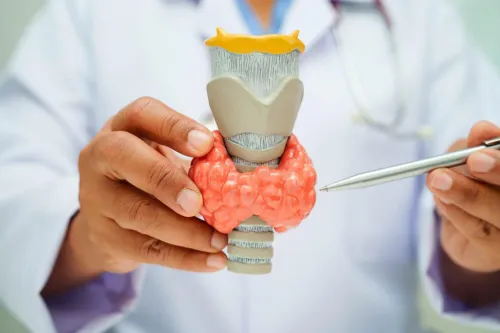
For parathyroid surgery for older adults in Mumbai, localization starts only after blood tests confirm primary hyperparathyroidism and surgery is chosen. Ultrasound and sestamibi scanning plan the operation; they do not prove that disease exists. A negative scan does not rule it out.
| Test or approach | What it contributes | What to ask about |
|---|---|---|
| Ultrasound | Shows a neck nodule and its relation to the thyroid | Operator experience and whether the result matches other imaging |
| Sestamibi scan | Highlights tissue retaining the tracer, often a single overactive gland | False negatives, thyroid nodules and discordant findings |
| 4D CT | Provides detailed anatomy and blood-flow timing | Radiation, kidney function and whether it adds value after earlier scans |
| Focused parathyroidectomy | Removes a likely single abnormal gland through a limited neck incision | Best when imaging agrees and single-gland disease is likely |
| Bilateral neck exploration | Examines all four gland areas | More useful for multigland, hereditary, persistent or non-localizing disease |
A focused operation is not automatically safer. If scans disagree, chasing the wrong gland can leave hypercalcaemia untreated; bilateral exploration may be the more reliable first operation. Reoperative surgery requires a separate risk discussion.
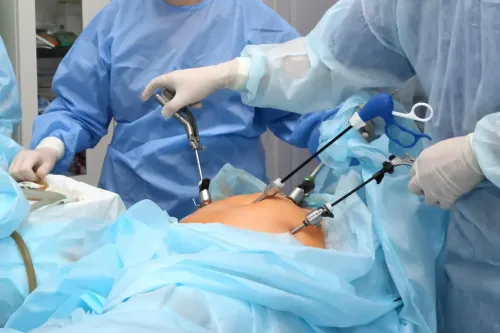
When choosing a parathyroid surgeon in Mumbai, ask who will operate, whether intraoperative PTH is available, how non-localizing scans are handled, and what happens if several glands look abnormal. If consulting Dr.VinayKumar Thati-Laser & Laparoscopic Surgeon, clarify that this is usually a small open neck operation, not gastrointestinal laparoscopy or “laser” surgery.
Related service
GI SURGERY Parathyroid Parathyroidectomy (pair-uh-thie-roid-EK-tuh-me) is surgery to remove one or more of the parathyroid glands or a tumor that's affecting a parathyroid... |
Preparing an older adult for surgery and discharge
Planning parathyroid surgery for older adults in Mumbai starts with confirming the diagnosis, not ordering another scan. The preoperative visit reviews repeated calcium and PTH results, kidney function, vitamin D, frailty, heart or lung disease, cognition, anticoagulants and every prescription or supplement. Do not stop blood thinners without the surgical and anaesthesia team’s instructions.
1. Before admission, complete the anaesthesia assessment and arrange transport, a responsible adult at home and help with medicines. Discuss kidney impairment, swallowing difficulty and whether oral calcium and fluids will be manageable after discharge.
2. During surgery, general anaesthesia keeps you asleep while the surgeon removes the abnormal gland or glands. Intraoperative PTH testing, when available, can show whether hormone levels fall before the operation ends. A focused operation may become a wider neck exploration if findings or imaging do not match.
3. After surgery, staff check calcium and symptoms such as tingling around the mouth, finger cramps, muscle spasms or confusion. Eat and drink once you are fully awake and cleared by the team; begin walking with assistance, especially if weakness, dizziness or balance problems are present.
4. At home, keep the incision clean and dry as instructed, avoid rubbing it, and report increasing redness, swelling, drainage, fever or breathing difficulty. Leave with written calcium and vitamin-D instructions, a blood-test date, emergency contact details and a clear review plan; arrange earlier help if eating, walking or taking tablets becomes difficult.
Risks, alternatives and follow-up after parathyroid surgery
Neck swelling that affects breathing after discharge is an emergency: seek immediate care for a possible hematoma. Other risks include temporary or permanent recurrent-laryngeal-nerve dysfunction, causing hoarseness; hypocalcemia, causing tingling or muscle cramps; persistent disease; and recurrent disease. Reoperative surgery and multigland disease carry greater technical risk than a first operation for one localized adenoma.
| Option | What it means | When it applies |
|---|---|---|
| Parathyroidectomy | Removes the abnormal gland or glands | Definitive treatment for suitable primary disease |
| Monitoring and medication | Checks calcium, kidney function and bone health; uses prescribed calcium, vitamin D or cinacalcet when appropriate | When surgical risk outweighs benefit or surgery is deferred |
| Thermal ablation | Treats selected tissue without standard excision | Specialist consideration for patients unable to undergo conventional surgery; it is not standard curative treatment and can complicate later surgery |
| Kidney-focused treatment | Controls phosphate, vitamin D and dialysis-related drivers | Secondary or tertiary hyperparathyroidism from advanced kidney disease |
Before choosing parathyroid treatment in Mumbai, ask who will operate, how non-localizing scans and reoperations are handled, whether intraoperative PTH is available, and what happens if several glands are abnormal. “Laser” or “minimally invasive” does not establish better treatment.
After discharge, confirm the date for calcium testing and the symptoms that require urgent advice. Arrange review of calcium, PTH, kidney function, medicines, bone density and kidney complications. Ask how long calcium or vitamin D is needed, and what result would indicate persistent rather than recurrent disease.
Age alone does not rule out a parathyroid operation for elderly patients.
Frequently asked questions
How do doctors confirm hyperparathyroidism before surgery?
Doctors repeat albumin-adjusted or ionized calcium and PTH tests. They also assess vitamin D, kidney function, calcium intake and medicines such as lithium because these can raise PTH without primary hyperparathyroidism.
When is parathyroid surgery preferred for an older adult?
Surgery is considered when confirmed primary hyperparathyroidism creates a clear health risk or symptoms, while monitoring or medication may suit people who do not meet surgical criteria or cannot safely undergo an operation.
How do imaging tests affect a parathyroid operation?
Ultrasound, sestamibi scanning or four-dimensional CT can help locate an abnormal gland and plan the operation. Imaging does not replace blood-test confirmation.
How should an older adult prepare for parathyroid surgery and discharge?
Review heart, lung, kidney and medication history with the surgical team, arrange transport and home support, and ask which symptoms require urgent help after discharge.
What risks and follow-up are involved after parathyroid surgery?
Discuss bleeding, infection, voice-nerve injury, low calcium and persistent or recurrent hyperparathyroidism. Follow-up includes calcium and PTH checks and treatment for low calcium when prescribed.
Keywords